
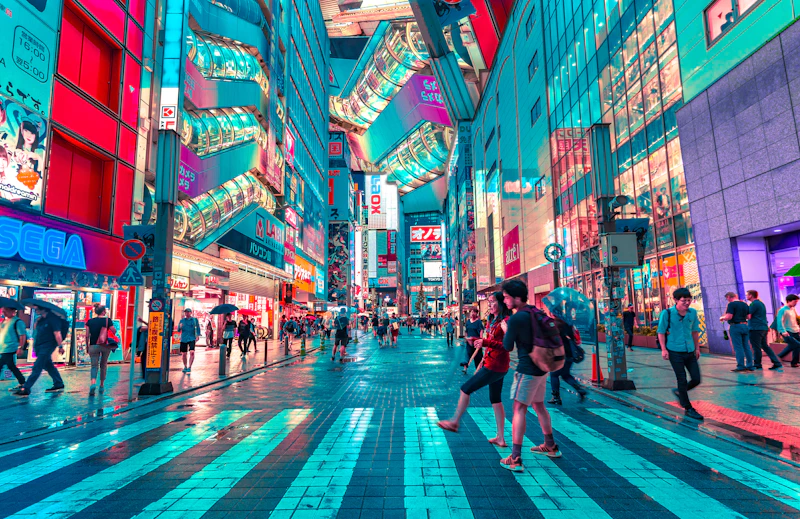
Tokyo Hidden Gems: 12 Local Spots Tourists Miss
Shibuya Crossing. Senso-ji Temple. The Robot Restaurant. These are the Tokyo experiences everyone knows — and everyone does. On any given day, you're sharing them with thousands of other tourists, all taking the same photos, having the same experience.
There's nothing wrong with the famous spots. But Tokyo is a city of 14 million people spread across dozens of distinct neighborhoods, each with its own character. The locals aren't fighting crowds at Senso-ji — they're eating at the tiny ramen shop in Koenji, drinking at the standing bars in Yurakucho, and wandering the vintage stores in Shimokitazawa.
Here's where to find the Tokyo that tourists miss.
Yanaka: Old Tokyo Preserved
While much of Tokyo was rebuilt after WWII, Yanaka survived. Walking its narrow streets feels like stepping back 100 years — wooden houses, small temples, and a pace of life that doesn't exist in Shibuya.
What to do:
-
Yanaka Ginza: A 170-meter shopping street with family-run stores selling everything from handmade crafts to fresh croquettes. Arrive before 10 AM to see shopkeepers opening up, or at sunset when the street glows golden.
-
Yanaka Cemetery: Sounds morbid, but it's actually a peaceful park popular with locals. In spring, the cherry blossoms here rival any famous spot without the crowds.
-
Cat Town: Yanaka is famous for its stray cats. Local shops sell cat-themed goods, and you'll spot actual cats lounging on walls and in doorways.
Best time: Early morning or late afternoon. The shopping street closes by 6 PM.
Getting there: 5-minute walk from Nippori Station (JR Yamanote Line).
Shimokitazawa: Vintage and Counterculture
If Harajuku is mainstream youth culture, Shimokitazawa is its indie cousin. This pedestrian-friendly neighborhood is Tokyo's center for vintage fashion, live music, and small theaters.
What to do:
-
Vintage shopping: Dozens of secondhand stores sell everything from 1950s Americana to 1990s Japanese streetwear. Prices are reasonable, and the curation is excellent.
-
Live music: Tiny venues host indie bands nightly. Cover charges are typically ¥2,000-3,000 including a drink. Check Shelter, 440, or Basement Bar.
-
Coffee culture: Independent cafes outnumber chains. Bear Pond Espresso is famous (and often has a line), but walking until you find an empty spot usually works better.
Best time: Afternoon for shopping, evening for music and bars.
Getting there: Shimokitazawa Station (Keio Inokashira Line or Odakyu Line), about 5 minutes from Shibuya.
Koenji: Punk Rock and Thrift Stores
Koenji has the vibe of a neighborhood that gentrification forgot. It's scruffier than Shimokitazawa, with more edge and lower prices.
What to do:
-
Thrift stores: Even cheaper than Shimokitazawa, with a more eclectic selection. Look for stores on the covered shopping arcades.
-
Awa Odori Festival: If you're visiting in late August, Koenji hosts one of Tokyo's best street festivals, with thousands of dancers in traditional costume.
-
Izakayas: The area around the station has excellent small drinking establishments. Wander until you find one that looks interesting — most are good.
Best time: Evening, especially on weekends when the bars fill up.
Getting there: Koenji Station (JR Chuo Line), about 10 minutes from Shinjuku.
Yurakucho: Salaryman Drinking Culture
Under the train tracks near Yurakucho Station, a collection of tiny bars and yakitori joints has served Tokyo's office workers for decades. This is where salarymen decompress after work — standing at counters, drinking beer, and eating grilled chicken skewers.
What to do:
-
Standing bars (tachinomiya): No seats, just a counter and drinks. Order a beer and some yakitori. Point at what others are eating if you can't read the menu.
-
Gado-shita: The area directly under the elevated tracks has the most atmospheric spots. The rumble of trains overhead is part of the experience.
-
People-watching: This is Tokyo's white-collar workforce unwinding. The energy shifts as the evening progresses — professional at 6 PM, rowdy by 9 PM.
Best time: 6-9 PM on weekdays. Weekends are quieter.
Getting there: Yurakucho Station (JR Yamanote Line), or walk from Ginza.
Nakameguro: Canal-Side Cool
Nakameguro became famous for cherry blossoms along the Meguro River, but locals know it year-round for its boutiques, cafes, and relaxed atmosphere.
What to do:
-
Canal walk: Stroll along the Meguro River, ducking into shops and cafes that catch your eye. The area is walkable and rewards wandering.
-
Boutique shopping: Independent fashion, home goods, and design stores line the streets. This is where Tokyo's creative class shops.
-
Starbucks Reserve Roastery: Yes, it's a chain, but this four-story flagship is architecturally stunning and worth seeing even if you don't drink coffee.
Best time: Afternoon on weekdays. Cherry blossom season (late March-early April) is beautiful but crowded.
Getting there: Nakameguro Station (Tokyu Toyoko Line or Tokyo Metro Hibiya Line).
Yanesen: Three Neighborhoods in One
Yanesen is a portmanteau of Yanaka, Nezu, and Sendagi — three adjacent neighborhoods that together form one of Tokyo's best walking areas.
What to do:
-
Nezu Shrine: One of Tokyo's oldest shrines, famous for its tunnel of red torii gates (similar to Kyoto's Fushimi Inari, but without the crowds).
-
Nezu neighborhood: Narrow streets with traditional wooden houses, small galleries, and local restaurants. Feels like a village within the city.
-
Sendagi: Quieter and more residential. Good for seeing everyday Tokyo life.
Best time: Morning or late afternoon. Allow 3-4 hours to explore properly.
Getting there: Nezu Station or Sendagi Station (Tokyo Metro Chiyoda Line).
Togoshi Ginza: Tokyo's Longest Shopping Street
At 1.3 kilometers, Togoshi Ginza is Tokyo's longest shopping arcade — and almost entirely local. You won't see other tourists here.
What to do:
-
Street food: The arcade is famous for its food stalls. Try menchi-katsu (fried meat patty), croquettes, and taiyaki (fish-shaped pastry with sweet filling).
-
Local shopping: Hardware stores, fishmongers, vegetable stands — this is where neighborhood residents do their daily shopping.
-
Evening atmosphere: The arcade comes alive after work hours when locals stop by on their way home.
Best time: Late afternoon to early evening.
Getting there: Togoshi-Ginza Station (Tokyu Ikegami Line).
Practical Tips for Exploring Hidden Tokyo
Navigation:
- Google Maps works well in Tokyo
- Download offline maps in case of connectivity issues
- Station exits matter — check which exit before leaving
Etiquette:
- Don't eat while walking (except at festivals)
- Speak quietly on trains
- Remove shoes when entering traditional spaces
- Cash is still king at small establishments
Language:
- Learn basic phrases: sumimasen (excuse me), arigatou gozaimasu (thank you), kore kudasai (this please)
- Translation apps work well for menus
- Pointing and gestures are perfectly acceptable
Timing:
- Many small shops close by 6-7 PM
- Restaurants often close between lunch and dinner (2-5 PM)
- Bars and izakayas open around 5-6 PM
Key Takeaways
-
Skip the famous spots on your first day. Start in a neighborhood like Yanaka or Shimokitazawa to experience Tokyo at a human pace.
-
Wander without a plan. The best discoveries happen when you turn down an interesting alley or follow a good smell.
-
Eat where locals eat. If a restaurant is full of Japanese people and empty of tourists, you've found the right place.
-
Embrace standing bars and tiny restaurants. The best food often comes from places with 6 seats and no English menu.
-
Visit the same neighborhood twice. Morning and evening reveal different characters. A quiet street at 10 AM might be lively at 8 PM.
Frequently Asked Questions
What's the best way to get around Tokyo?
The train and subway system is unmatched — clean, punctual, and comprehensive. Get a Suica or Pasmo card for seamless travel across all lines. For hidden gems in residential areas, walking or renting a bicycle often works better than transit, letting you discover spots you'd miss from a train window.
Do I need to speak Japanese to explore off-the-beaten-path Tokyo?
Basic phrases help and are appreciated, but many locals speak some English, and translation apps work well. In truly local spots, pointing, gestures, and picture menus get you far. The effort to communicate is always appreciated, even if imperfect.
When is the best time to visit Tokyo for fewer crowds?
Late January to mid-March (excluding cherry blossom season) and November offer pleasant weather with fewer tourists. Weekdays are always less crowded than weekends at popular spots. Early mornings at any time of year tend to be quieter.
Are hidden gem neighborhoods safe for solo travelers?
Tokyo is one of the safest major cities in the world. Residential neighborhoods are particularly safe, even late at night. Standard travel awareness applies, but violent crime against tourists is extremely rare. Solo female travelers consistently rate Tokyo as one of the safest destinations globally.
Ready to Explore Like a Local?
OnTheGoTour uses AI to create personalized, spontaneous travel experiences. Discover hidden gems and authentic local spots in any city.
Learn More